

Getting Promoted: What is Being Overlooked
The blind spot and negligence to know so and what may work better for you
Giving little-to-no attention and care to the people around you at work may result in unexpected difficulty when it comes to pursuing upward mobility and after advancement.
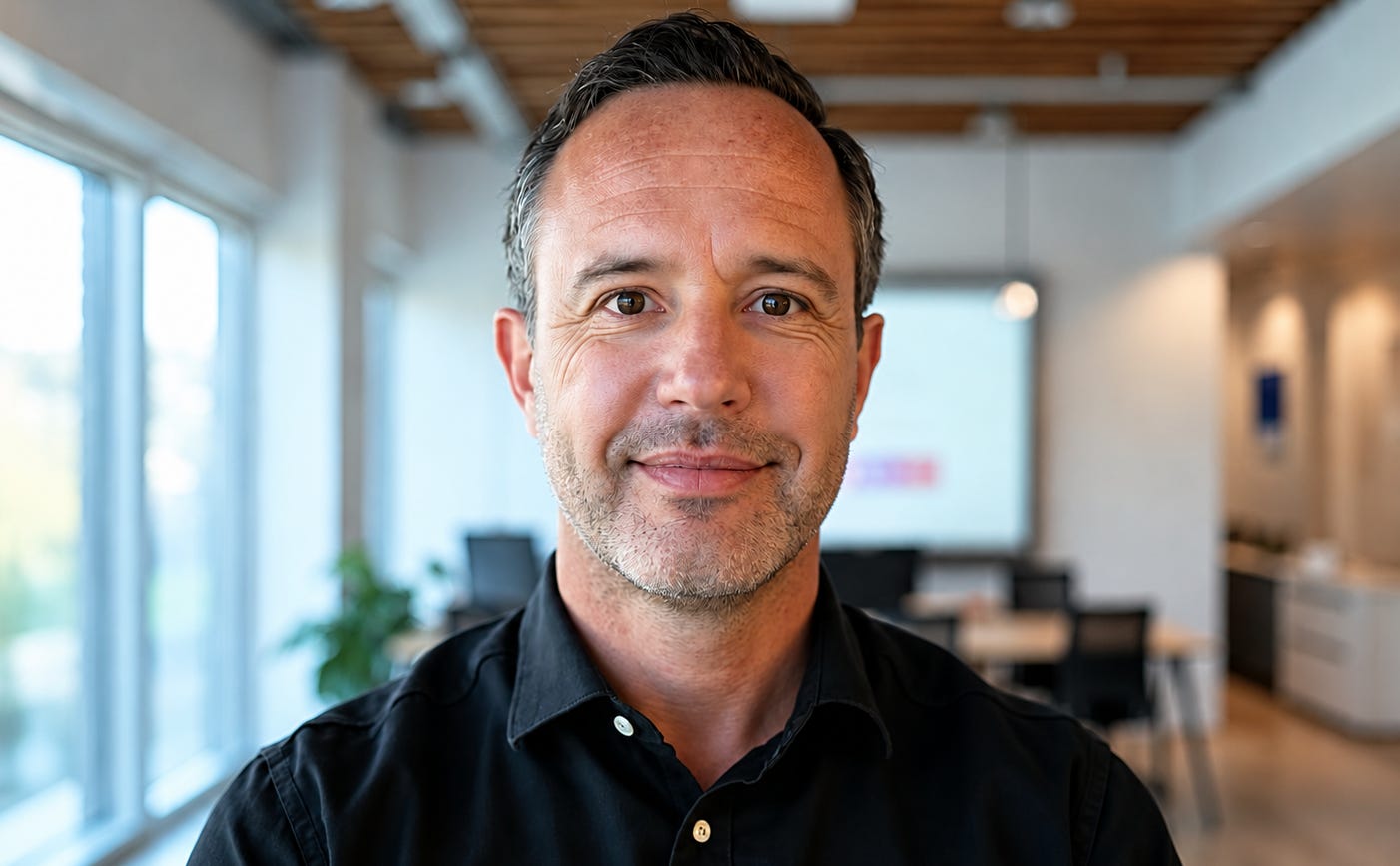
In his piece — Your Colleagues Are Crucial to Your Promotion — for Fast Company, Michel Koopman, the founder and CEO at CxO Coaching, a firm for executives and leaders, communicated about a common, costly ignorance and error.
“During executive coaching engagements, I often find leaders realize that they need to start paying attention to their cross-functional relationships,” he wrote.
Koopman additionally mentioned his counsel to them, as well as to readers.
“Determine if your interactions are purely transactional or if you’ve built actual rapport,” he wrote.
Co-workers may see and feel it differently than assumed. It’s beneficial to learn now.
“People begin to realize the value of this when they understand that leadership is not just about performance but about followership,” Koopman tells Communication Intelligence. “At some point in your career, the people sitting around the table with you today may end up reporting to you tomorrow. If those relationships were purely transactional, people will remember that.”

He points to what is the norm.
“Many professionals unintentionally approach peer relationships with an agenda in mind. They offer support because they want alignment, resources, visibility or eventual advancement in return,” Koopman says.
“But people can feel the difference between someone who is genuinely invested in their success and someone who is simply managing optics.”
There are those professionals who stand out differently and benefit for it.
“The leaders who rise successfully are usually the ones who make others feel supported, respected and elevated, long before there is anything to gain from it,” Koopman says he has regularly observed.
“When your colleagues trust that your intentions are not (only) self-serving, they become far more willing to advocate for you, collaborate with you and ultimately follow you.”
It shouldn’t be a surprise that this how people perceive, feel and respond. Smart professionals recognize this reality and apply themselves relationally and strategically.
“They realize these relationships are not ‘soft skills,’ but a leadership infrastructure that will serve everyone involved,” Koopman says.

Connection, trust and relationship quality matter and it’s vital to gauge the status of it.
“Determine if your interactions are purely transactional or if you’ve built actual rapport,” Koopman wrote at Fast Company.
Most leaders may not — or are likely not — thinking about building trust and healthy work relationships in a transactional environment, yet if they paused and thought about it, the value would be recognized.
“I think the mistake people make is treating rapport as something separate from work, when in reality it’s built through the way you work every day,” Koopman tells CI.
“The strongest professional relationships are usually formed in small moments: how you handle pressure, whether you give credit, whether you listen without immediately turning the conversation back to yourself, whether people feel seen when there’s nothing in it for you.”
He elaborates to further explain:
“A transactional mindset naturally focuses on the short-term exchange and thinking ‘what do I need from this person right now?’” Koopman says.
“On the other hand, a long-term mindset focuses on becoming valuable to others, regardless of the immediate return. That’s what creates the strongest professional capital over time.”
Thinking now about what will be needed, if not soon, then eventually, is wise and maybe not sufficiently and wisely considered by everyone.
“One thing many people do not realize is that trust is often built before the important moments even arrive,” Koopman says.
“You cannot suddenly manufacture or will into existence rapport at a critical moment when you need support for a promotion, a project or a difficult decision,” he stresses. “The relationship equity has either been built already or it hasn’t.”
Knowing this is the way of humans, it brings Koopman to a logical conclusion.
“That’s why authentic rapport has to become part of how you consistently operate,” he advises. “It’s not a tactic you deploy only when needed.”

Developing this habit can start with simple new thinking and action.
“First of all, I would stop competing with colleagues internally as a primary strategy for advancement,” Koopman says.
“Too many professionals believe that standing out means outshining the people around them, when, in reality, the leaders who create the most long-term momentum are often the ones who elevate others, not diminish them.”
He goes deeper to discuss what won’t be experienced and remembered well.
“One of the biggest mindset shifts is realizing that leadership is not about climbing over people, it’s about pulling people further as you go,” Koopman explains.
“You can still challenge ideas, hold high standards and drive accountability but the best leaders create an environment where the people around them become more successful because they were there.”
This positively moves the needle in people’s lives and makes a strong impression.
“Professionally, people remember how you made them feel during stressful projects, difficult conversations and moments where credit or visibility were on the line,” Koopman argues.
“If your colleagues consistently experience you as someone who helps them succeed, rather than someone playing internal politics, over time, your reputation compounds in a very powerful way.”
Subscribe for free (or paid, for additional benefits).
Communication Intelligence is an interview-driven publication of analysis and ideas that includes semi-regular insights-and-advisory leader contributions.
In addition to the newsletter, Communication Intelligence offers services to help people clearly, effectively communicate their expertise within and outside of their organization. Reach out to detail your objectives, desired outcomes and the best way to work with you in a business interaction.

The leaders who rise successfully are usually the ones who make others feel supported and respected long before there is anything to gain from it. This happens without fail. The people who treated every relationship as a transaction eventually found themselves in rooms full of people who were there for the same reason they were. The people who showed up without an agenda found themselves in rooms full of people who actually wanted them to win. It is so easy to treat others with kindness and respect. Happy Friday, Michael....
thanks Communication Intelligence for the interview...the mindset shift is that elevating those around you tends to reflect back onto yourself...and, it feels good too! It is a win-win!