

Why We May Drive Ourselves So Hard to Prove Others Wrong
When that impulse or motivation is a positive, when it becomes unhealthy and when it can move back towards being healthy

It doesn’t feel good to be doubted. For some, it can be deeply painful.
Five-division boxing champion Terence Crawford, who became an undisputed titlist in three weight classes, retired in mid-December and made a very interesting and maybe, highly-relatable comment for many people.
In addition to saying that was “walking away as a great with nothing else left to prove,” Crawford revealed the emotional, psychological struggle and fuel that drove him.
"I spent my whole life chasing something," he said. "Not (championship) belts, not money, not headlines. But that feeling, the one you get when the world doubts you and you keep showing up and you keep proving everyone wrong."

“From what I've seen most often, the underlying reason is rarely the desire for success,” asserts Karina Tymchenko, the founder at Brandualist, where she helps founders, creators and businesses build visibility, authority and sustainable growth.
“It is the sense of insecure identity that was formed as a result of needing to earn the approval of others.”
She elaborates to paint a picture.
“For many, growing up was like being invisible, under-estimated or consistently asked to prove oneself; as a result, success is used as a way to protect oneself from criticism and judgment, even though the protection is always temporary,” Tymchenko says.
“Success is proof that one has earned the right to exist,” she says, that many people likely have been directly or indirectly taught and come to believe.
“This drive is not about succeeding; it is about finally feeling safe enough from judgment to allow oneself to exist without fear of criticism.”
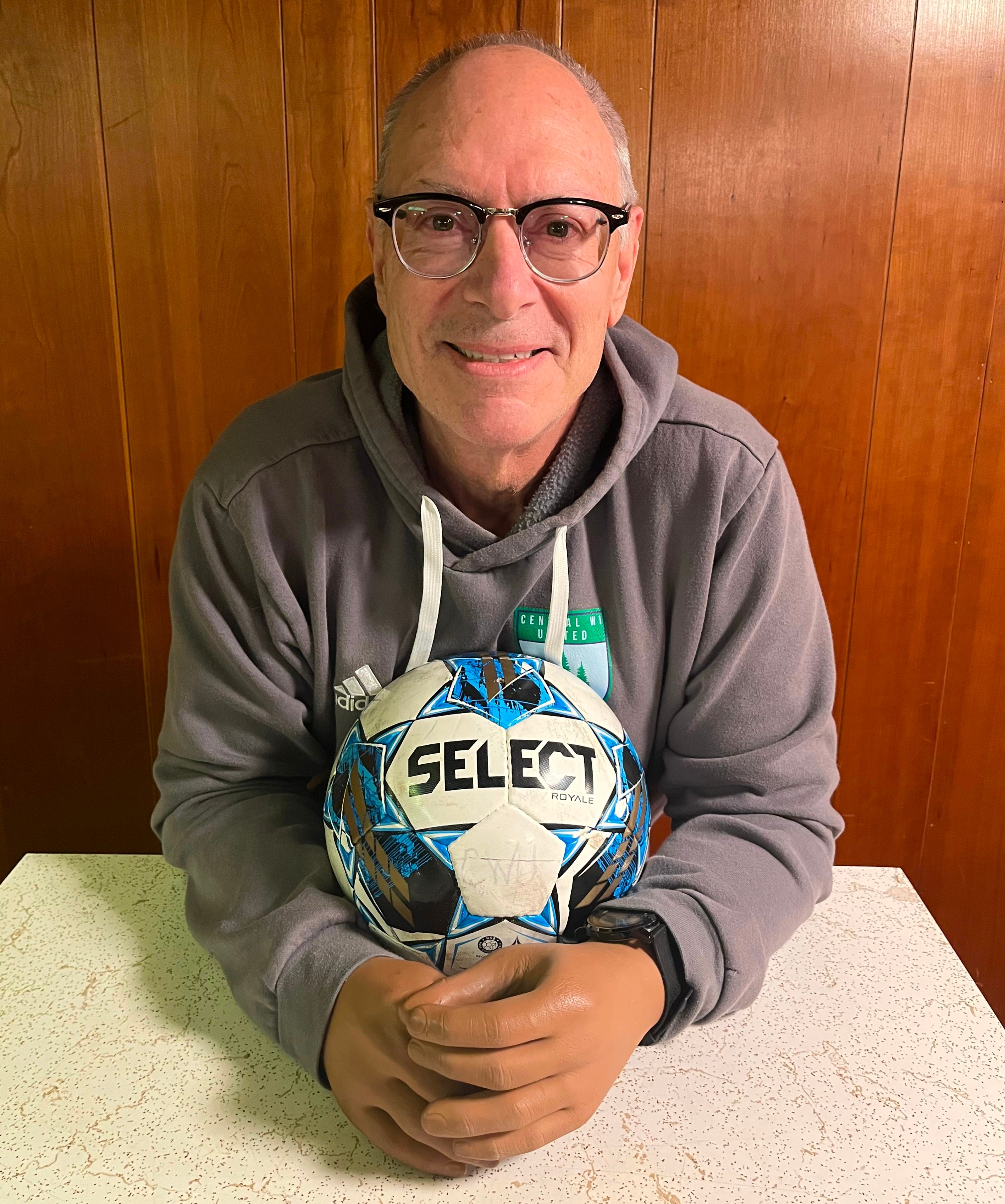
The rewards of success are alluring and intoxicating yet that’s not all that drives every person. It’s much deeper than craving the dopamine hits of validation, status and different types of rewards.
“Before my illness, I was a successful athlete and college soccer coach,” says Scott Martin, author of “Play From Your Heart,” when a sudden battle with Group-A Strep — the “flesh-eating disease” — took both his hands and parts of his feet.
“Confidence came from what I could do and how well I could do it,” he says. “When… my career was suddenly disrupted, that confidence collapsed. I ran headfirst into a brick wall of depression.”
Becoming introspective, Martin learned something deep about himself.
“I see that much of my drive had been rooted in how I perceived others saw me,” he says. “Achievement had been my answer to doubt. When I could no longer perform the way I once had, I felt exposed and unsure of my worth. The pursuit of success wasn’t about ambition, it was about protecting my identity.”

An important question is whether or not this emotional, psychological driver is a healthy or unhealthy and dangerous one and if it's a positive, when does it drift into being unhealthy and when can the negative move back into being a positive.
“From my experience, it can be both, but it becomes unhealthy the moment your worth is tied to the outcome,” Martin says. “I learned that my greatest strength —work ethic — was also my greatest weakness.”

He explains.
“Early on, proving myself pushed me to work hard and lead others but after my illness, that same drive turned against me,” Martin says. “When success became the only way to feel okay, failure felt devastating.
“That’s when it drifted into something unhealthy: when rest felt like weakness, when identity depended on results and when I couldn’t be at peace unless I was' ‘winning.’”
He has learned and now recognizes how a reframing of understanding and response in alignment with that reframing can become a positive.
“An unhealthy drive becomes healthy again when it stops being about proving and starts being about purpose,” Martin says. “For me, that shift came when I accepted my limitations and separated who I am from what I produce. The motivation didn’t disappear, it matured.”

What’s helpful can veer into becoming problematic.
“At first, pursuing endless success to prove others wrong or prove themselves right can be a healthy drive,” Tymchenko says. “Feeling doubted can be the impetus for both the momentum and discipline required to achieve success.
“However, this drive can become unhealthy when success no longer provides the peace and quiet needed to avoid criticism and-or when the bar for receiving validation continues to rise.”
She opines as to what is better.
“Once the motivation shifts from seeking validation through success to aligning with who you are and why you do what you do, the drive can once again become healthy,” Tymchenko says.
“At this point, success will begin to feel lighter and more sustainable as the growth and success will now be motivated by purpose rather than defensive needs.”
Subscribe for free (or paid, for additional benefits)

Happy New Year, Michael
This makes me think about how many people I know who are incredibly successful but still completely miserable. I would know because I was one of those people lol
Scott Martin's experience puts this in perspective. When your whole identity is built on what you can do and then suddenly you can't do it anymore, what's left? I think a lot of people are one injury, one layoff, one failure away from that same crisis and they have no idea.
It took me years to change that mindset.