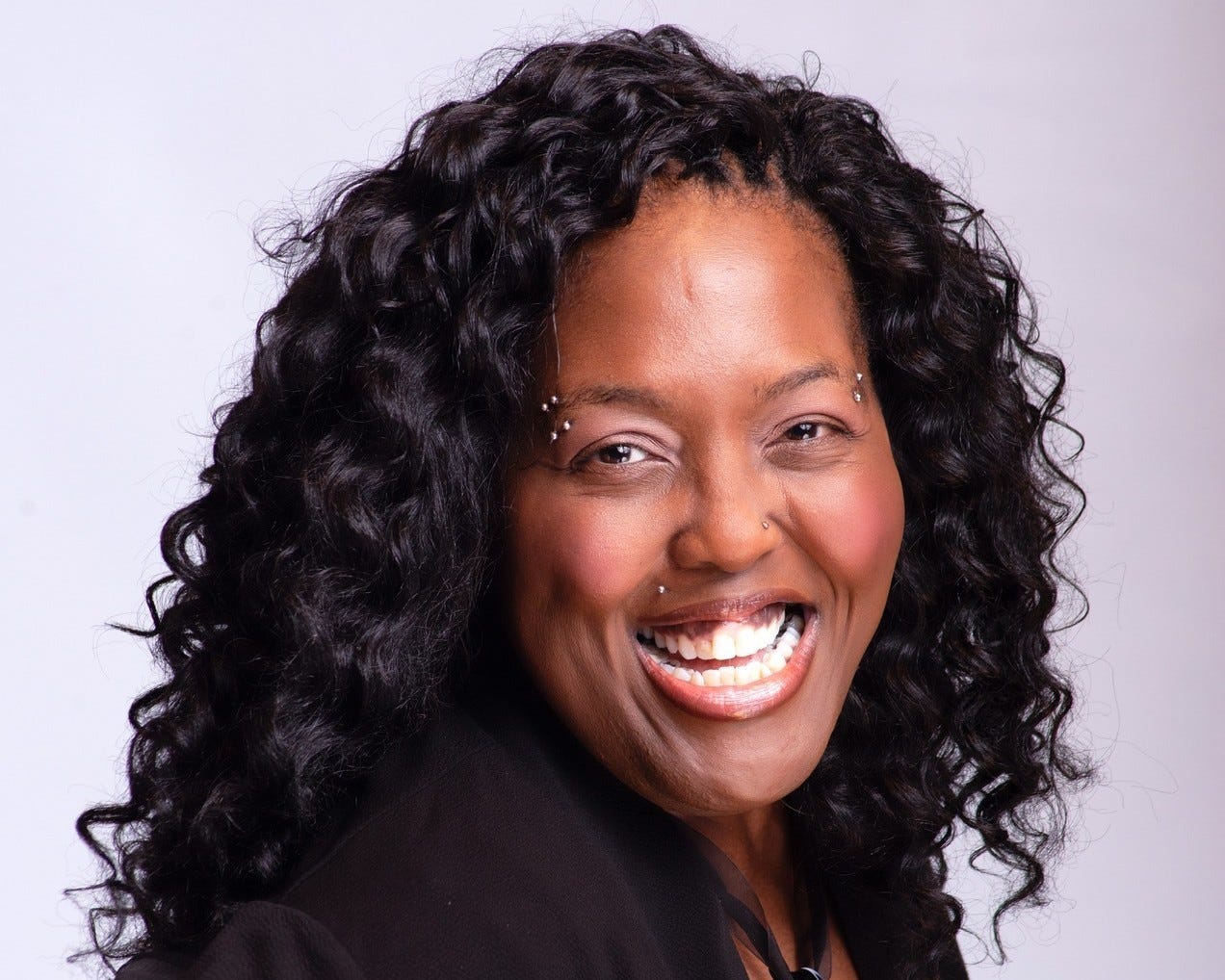
by Alesha Brown, founder and CEO at Fruition Publishing Concierge Services
| Alesha Brown Productions and Editor-in-Chief at Published! Magazine
January 15, 2026
I’ve survived childhood abuse, systemic barriers and medical challenges. I’ve built multiple companies, without investors and a blueprint. The real achievement isn’t the titles or the milestones. It’s that I refused to let my story end where the pain started.
Once you understand that, you begin to see why helping people own their stories and turn pain into purpose isn’t personal development content.
It’s cultural work. It’s community work. It’s survival work.
Because when people don’t own their stories, someone else will.
Why this matters societally
We are living through an era where people are more connected than ever but more isolated in their pain. We have access to platforms, yet many still feel voiceless, silenced by shame, stigma or the fear of being judged.
That’s why story ownership is not a luxury. It’s a public good.
Societies don’t just run on laws and economics; they run on narratives. The stories we elevate determine what we normalize, what we ignore and what we repair.
When survivors speak, it challenges the reflex to minimize harm. When people share what they endured and how they rebuilt, it disrupts the secrecy that allows abuse, dysfunction and inequality to replicate.
A story told with clarity becomes a mirror for someone else. It says, “You’re not crazy. You’re not alone. What happened to you counts. And what happens next can change.”
And when enough people begin to claim that power, communities shift, not through slogans but through courage becoming normal.

Turning pain into purpose: the outcomes
Turning pain into purpose isn’t about romanticizing trauma. It’s refusing to let trauma be the final author of your life.
One outcome is language. Trauma often lives in the body as confusion, an alarm with no explanation. When someone names what happened, they bring order to chaos.
Story becomes structure:
“This is what I lived. This is how it shaped me. This is what I’m choosing now.”
Another outcome is agency. Trauma steals choice. When people reclaim their story, they reclaim decision-making. They stop performing survival for the comfort of others. They set boundaries without guilt. They begin to live from intention, not reaction.
There’s also interruption. When survivors find their voice, cycles break. Patterns change. Children grow up differently. Relationships become healthier. Communities become safer. The impact rarely stops with one person.
And then there’s connection. Real connection. Storytelling restores dignity and belonging. It replaces isolation with identification and gives people permission to show up human, not perfect.
The Risk: What we lose if these stories aren’t told
We lose more than inspiration, we lose truth.
And without truth, we lose our ability to respond to reality.
When stories aren’t told, shame becomes tradition. People stay trapped in private battles that could have been interrupted by one honest voice. Families keep secrets. Institutions avoid accountability. Communities normalize harm because “that’s just how it is.”
We also lose representation that actually changes lives, the kind where someone sees a survivor who didn’t just “make it,” but made meaning. Those stories expand what people believe is possible for themselves.
And we lose the blueprint for transformation, because transformation isn’t theoretical, it’s lived. It’s nonlinear. It’s the daily decision to keep going, keep learning and keep choosing life.
When people share how they rebuilt, they give others a map: not perfect, but real.
Why I couldn’t quit
There were moments I could have stopped. Moments when my body hurt, when resources were thin, when I felt underestimated and when it seemed like I was building with invisible bricks.
But I kept going because I knew something: if I didn’t own my story, it would own me.
I learned something else about perseverance: it isn’t repeating the same approach until you break, it’s staying committed to the mission while being willing to change the method. The assignment is nonnegotiable. The strategy is adjustable.
If the path is destroying your health, your finances or your integrity, it’s not “failure” to pivot. It’s leadership. The question isn’t “Should I quit?” It’s “What’s the truest next version of this vision that I can sustainably execute?”
The work matters because it restores people to themselves. It turns silence into language and pain into purpose, not as a performance but as a commitment to ensure what happened to you does not get to define you.
That’s why it has to exist in the world.
Because stories don’t just entertain us, they shape us. And the stories we refuse to tell are often the ones that could have saved someone’s life.
Alesha Brown is the founder and CEO at Fruition Publishing Concierge Services® | Alesha Brown Productions and Editor-in-Chief at Published! Magazine
Subscribe for free (or paid, for additional benefits)