

The Effective, Efficient Path to Persuasiveness
It's not usually what we habitually believe and do
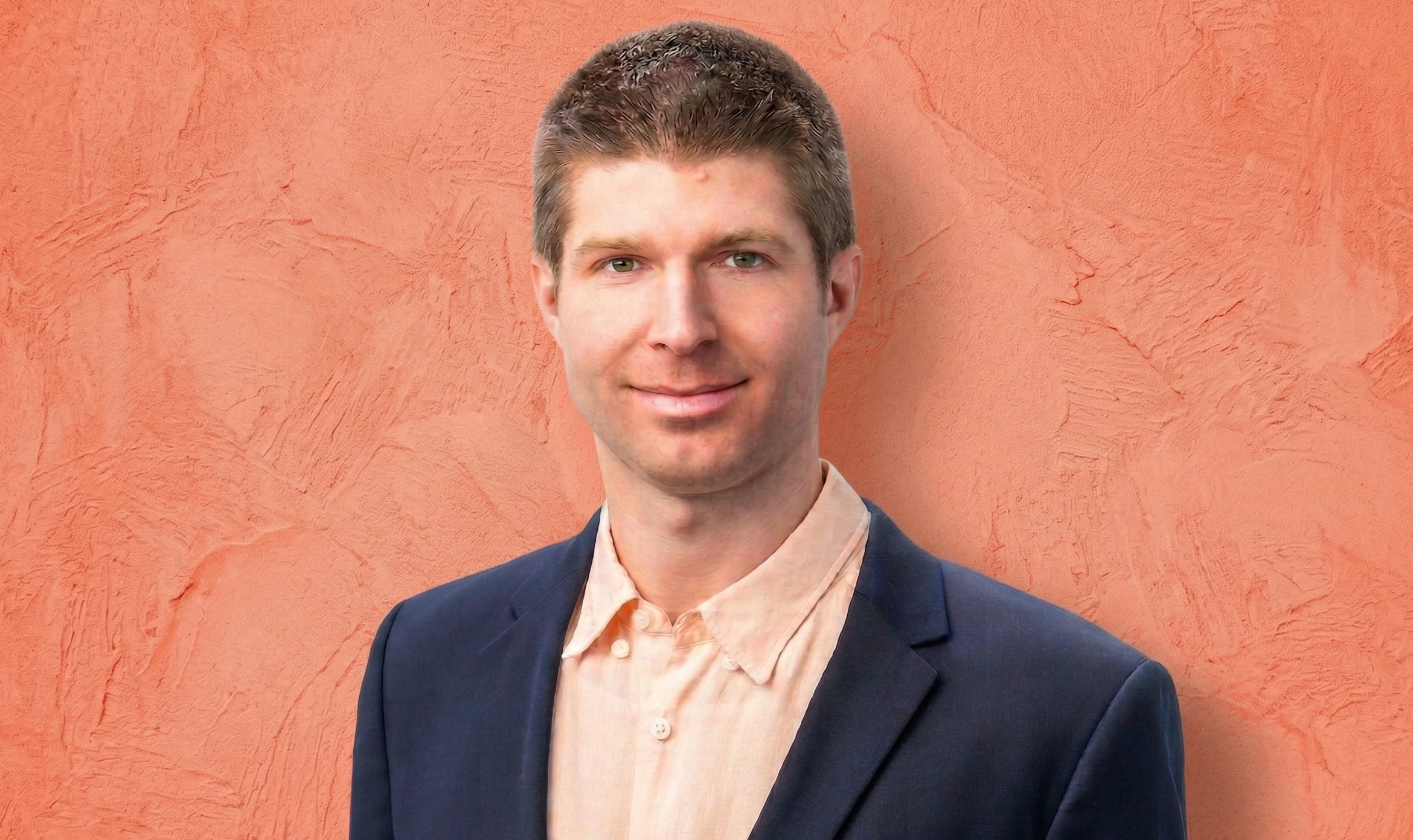
Joshua Bandoch’s commitment to researching, learning and communicating about the science and art of persuasion has led to the upcoming release of his comprehensive work on that human need and life skill.
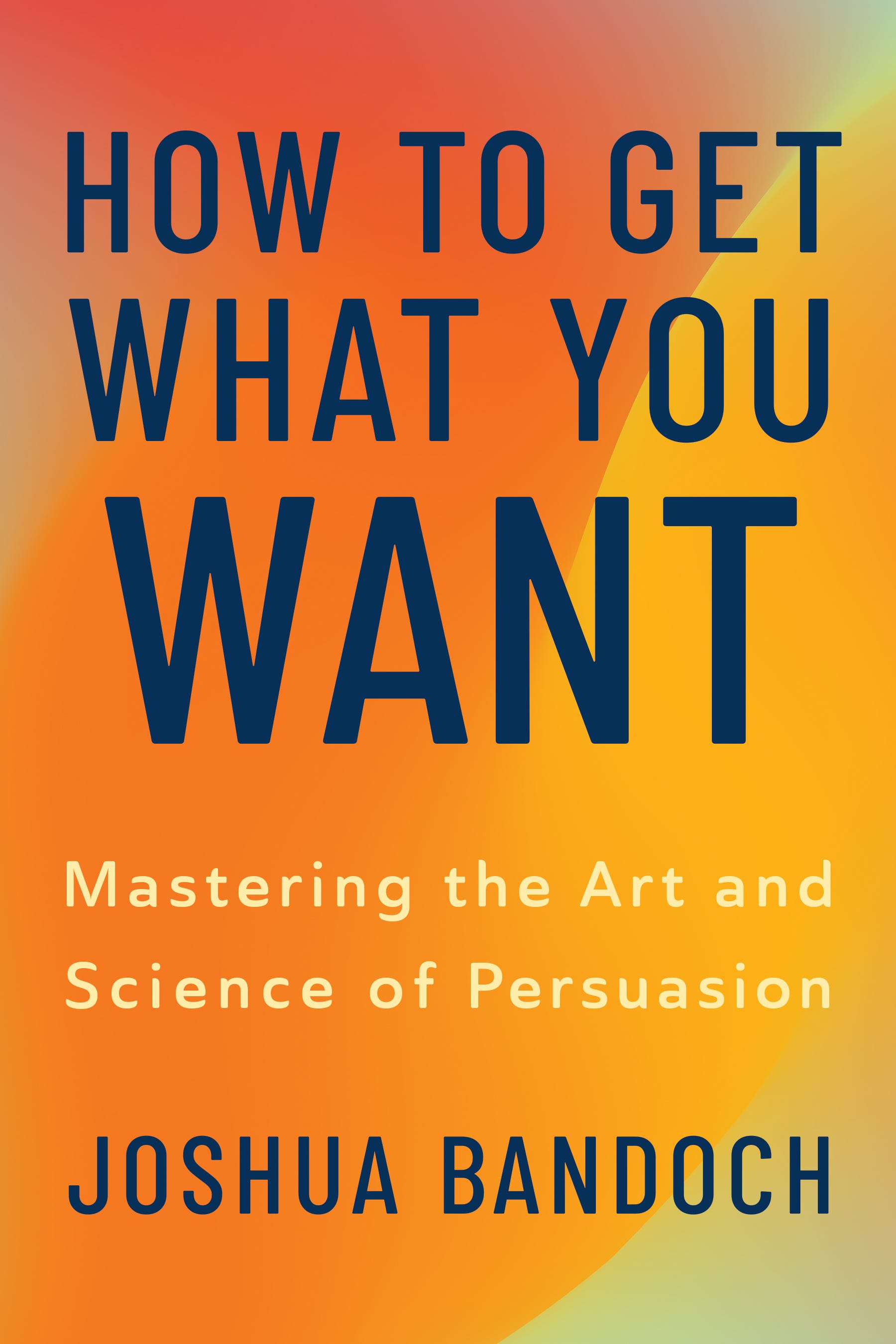
Bandoch, a communication expert, public policy think-tank leader and TEDx speaker, is the author of “How to Get What You Want: Mastering the Art and Science of Persuasion (available April 21, 2026).”
He’s researched the communication skill for a decade-plus, looking into the psychology, neuroscience, economics, public policy and history of it, as well as taking what he’s learned from his work crafting speeches for senior government officials.
Bandoch’s conclusion is that persuasion is not about “winning” or overpowering but is a process for moving people to shared action. His book presents an actionable framework for high-stakes professional, political and personal interactions.
There could be unexpected discoveries for readers.
“People would be surprised to learn that persuasion doesn’t work how we think it does, because we’re not wired to persuade,” Bandoch says.
“We’re wired to survive, which impedes thriving through persuasion.”
He is quick to add that he wants to elaborate.
“We think persuasion is about winning. That just makes your counterpart a loser. We think persuasion is about convincing someone to think like us. And the Latin root of ‘convince,’ means to vanquish or conquer. Conquest is barbaric,” Bandoch explains.
“Persuasion is actually shared action because it’s something we voluntarily do with others and ‘action’ because it’s about getting things done.”
There is a path to becoming more effective and it often can seem counterintuitive.
“You have to adopt what I call the ‘persuaders’ mindset’ and put them first,” Bandoch advises. “That’s how we connect with people and identify opportunities to share action, which means putting them first is the best me-first strategy.”
This often isn’t the mindset and strategy that people exercise.
What is common is believing something that isn’t reliable to work.
“We lead with logic, often launching it at people so they think like us,” Bandoch says, adding the reality is that, “Persuasion starts with feelings.”
This begs a question for which he has an answer.
“What feelings?” Bandoch rhetorically asks. “We’re wired to be negative, so we think negative feelings are persuasive. In fact, positive feelings persuade far more effectively over the short-and-long term.”
He comes back to previous point, the sequencing of it and how the brain processes communication.
“While we like to lead with our logic, we’re story-processors before we’re logic processors, which is why it’s imperative to tell persuasive stories,” Bandoch stresses.
This is highly-important to remember, he adds.
“If we simply understand our cognitive wiring and learn to navigate it, our chances of success skyrocket.”
People don’t realize it but in their attempts at persuasion, they are often fighting the hard rules of the science, even when they know better.
“All the neuroscience and psychology show that everyone’s brain is wired this way: we feel first, then reason,” Bandoch says. “Feelings, emotions or intuitions always come first. Which means that the logic-first approach where we try to convince people is illogical and usually counterproductive.”
He suggests an example as a test.
“After all, do you like it when someone continues to insist on their point of view?” Bandoch asks.
The reframing is not only smart, it’s the path to success.
“It’s about looking for opportunities to collaborate that are in your interests and theirs,” Bandoch says. “And then, proceeding first and foremost with emotional intelligence, which is far more important to persuasion than IQ.”

Negativity bias is a part of the human mind yet it isn’t well understood and recognized in the moment — and that is problematic.
“We focus on negative information way more than positive,” Bandoch says. “It’s an evolved, survival mechanism because it protects us from threats. While it helps us survive, it impedes thriving because negative emotions aren’t persuasive.”
He brings up history to further his point.
“Consider three of the most persuasive Americans of the 20th Century: John F. Kennedy, Martin Luther King Jr. and Ronald Reagan. They were happy warriors. Positivity is persuasive,” Bandoch says.
Keeping that in mind and going back to the science, makes his argument strong.
“To overcome negativity bias and generate positive emotions, you have to be for something,” he adds. “JFK said, ‘Ask not.’ MLK Jr said, ‘I have a dream.’ Reagan saw America as a ‘shining city.’
“So people need to ask themselves: what am I for? Then lead with that.”
Subscribe for free (or paid, for additional benefits)
Communication Intelligence is a newsletter that is interview-and-source driven on topics and comments in the news and online articles. It also consists of written contributions from professionals on specific topics in their profession.

The reframe from "convince" to "shared action" is the one that should stop most communicators cold.
We polish the logic. We build the airtight case. And then we're surprised when people dig in rather than move - because we've been optimising for the wrong thing entirely.
Feelings first, story before data, positivity over fear. Kennedy, King, and Reagan didn't move millions by cataloguing what was broken. They painted what was possible.
That's not soft communication. That's the most strategic thing a communicator can do.