Smarter Response to a Loaded Question
Plus James McAvoy talks about why some male influencers can build massive popularity by taping into men's and older boys' frustration, pain and anger

His Duty May Not What Be What Pushy People May Say It Is
Patrick Mahomes, the Kansas City Chiefs three-time Super Bowl-winning quarterback, three-time Super Bowl Most Valuable Player and two-time league MVP, doesn’t care what members of the public or media may want when it comes to asking him to publicly support Kamala Harris or Donald Trump in the 2024 presidential campaign.
“I don't want my place and my platform to be used to endorse a candidate or do whatever, either way," Mahomes says.
He has an entirely different belief and commitment.
"I think my place is to inform people to get registered to vote. It's to inform people to do their own research and then make the best decision for them and their family,” Mahomes says.
Maybe he is protecting his brand or himself, his wife and family from criticism. Or maybe he genuinely feels how he said he thinks and believes.
What he spoke might be upsetting to some who wanted to pin his choice down and get support for their preferred candidate yet it Mahomes response is a humble approach that respects the minds and decision making of others.
Why Dangerous Communicators Like Andrew Tate Attract Followers
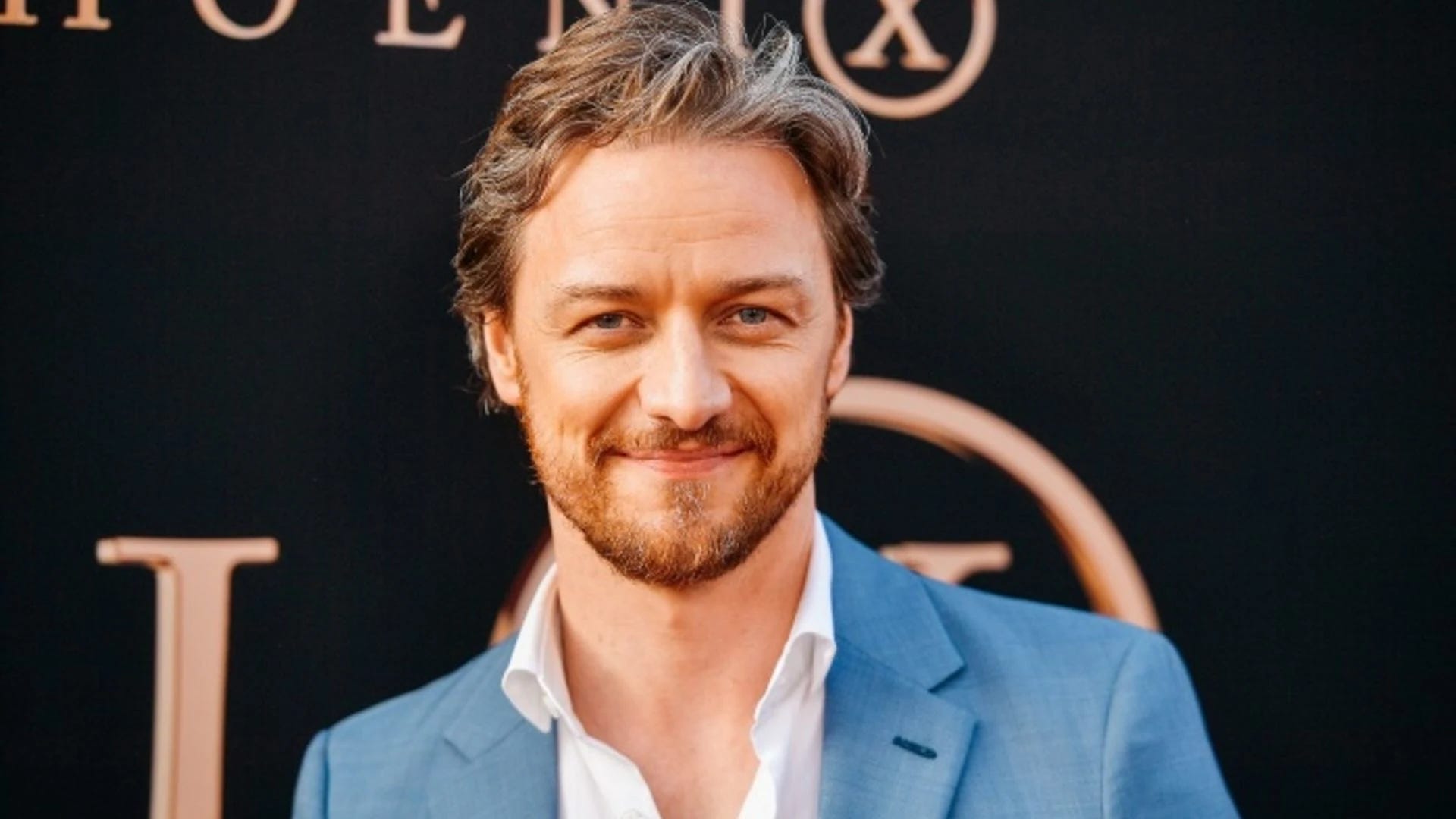
Actor James McAvoy talked with Alex Taylor, a News Culture reporter at the BBC about his upcoming movie release, “Speak No Evil” and within their conversation he spoked about the themes of how “toxic masculinity and manipulation reflect the way society is changing.”
"It seems to be OK to be more extreme, to be more fundamental, to be less nuanced, to be less compromising," McAvoy says disappointingly and a matter of fact.
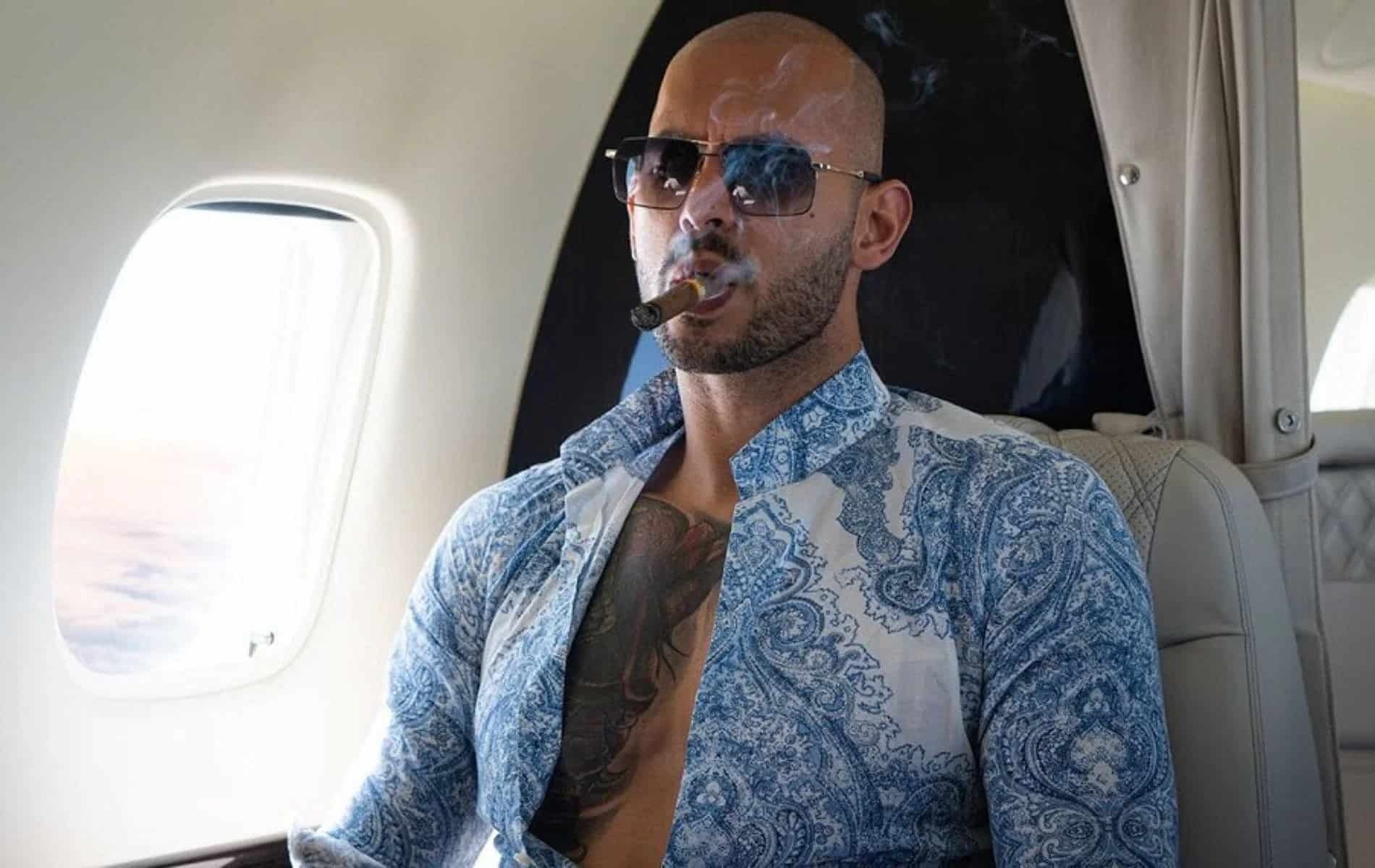
When Taylor inquired about polarizing influencer and alleged criminal Andrew Tate, who has amassed a large following of young men and boys, McAvoy explained his gut instinct and theory as to Tate’s popularity of anger, machismo, sexism and misogyny.
"I do think that there's a malaise happening across society. People are looking for answers and sometimes uncompromising, unapologetic, strong-appearing people are easy to gravitate towards," he says.
To McAvoy, someone like Tate and others who may be considered similar to him “can offer an apparent solution to disaffected young men who often feel forgotten or vilified in today's landscape,” Taylor writes.
"They seem to have the answer," McAvoy says. "They seem to have success. They seem to be capable of great happiness, which is what Paddy (McAvoy’s character in the film) is kind of selling.”
Yet that’s a mirage in his opinion.
That "simplistic, selfish, fundamental approach to life" is, McAvoy concludes, "unrealistic... and barbaric.”
He does though recognize the appeal to hurting males.
"When you're lost, you're looking for somebody who's clearly found themselves and found their own way. So why wouldn't you go with them and try and get the answers,” McAvoy states.
He is inferring that this is the allure, the sharp, jagged hook that the men that women despise and society finds dangerous and evil (like Tate), successfully use to indoctrinate minds longing to make some sense, even if inaccurate, of their confusion and desperation in the world.
In turn, Tate builds an influential and persuasive platform to unethically enrich himself.
Communication Intelligence: Sept. 12, 2024
This feature is a paid subscriber benefit.