Protecting Yourself Against Unethical Business Engagements
Warren Buffett offered a clear warning and four sources spoke to Communication Intelligence about their viewpoints about it
Business can be a dangerous endeavor: emotionally, psychologically and financially. Identifying whom is a good bet to trust and whom isn’t may not always be clear cut.
It’s an important, determination to accurately make.
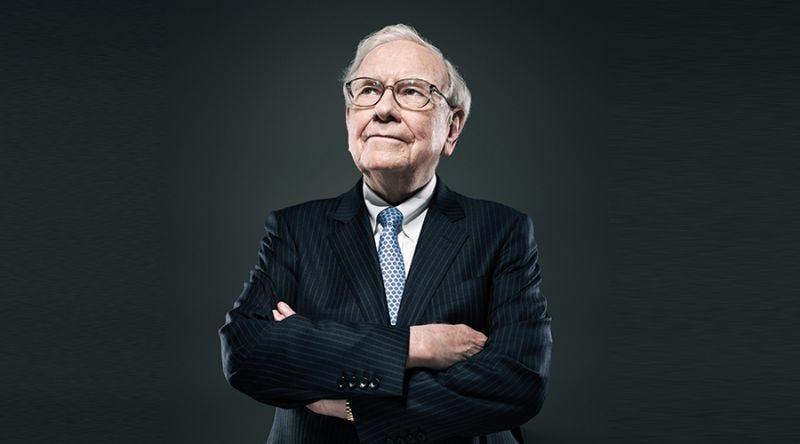
“You can’t make a good deal with a bad person. Just forget it,” said Warren Buffett, chairman and CEO at the conglomerate, Berkshire Hathaway, and a person widely considered the greatest investor of the 20th century.
“Now, if you think you can draw up a contract that is going to work against a bad person, they’re gonna win,” he added. “But one thing, they probably enjoy litigation. ... and besides, the bad guys win that, they know more games. They may lose eventually, in a way, but it’s no way to spend your life.”
Buffett and his late vice chairman, Charlie Munger, felt so strongly about this conclusion that regardless of the business in which they involved themselves with, they made it a checkpoint to focus on character as much as competence.
The 1.25-page contract with Nebraska Furniture Mart, for example, and the absence of due diligence showed that if you trust the person’s character, extensive contractual language for protection is not critical or at least, less necessary. On the other side, if their character is questionable or poor, contracts are still fraught with risk.
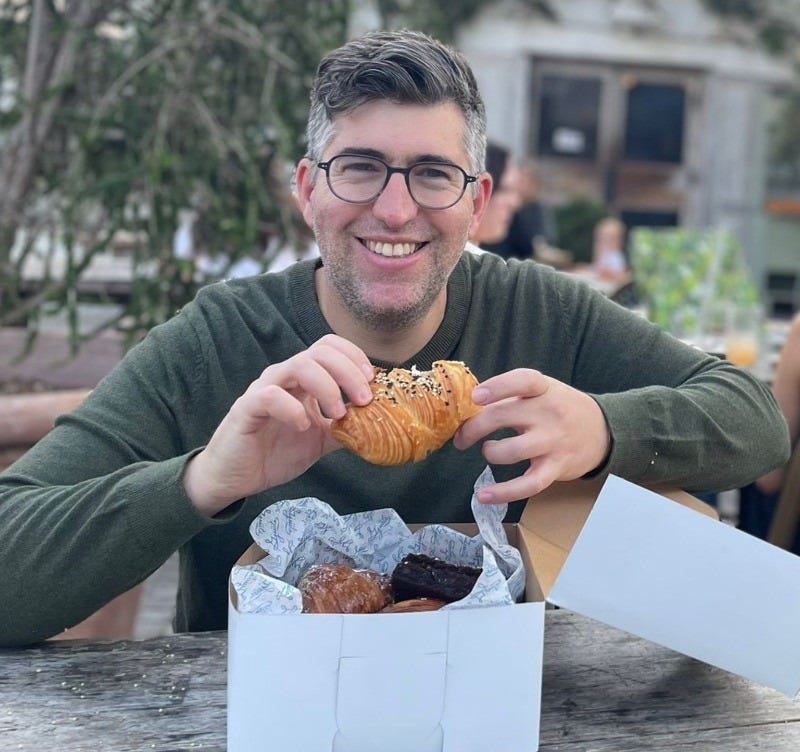
“His phrase is brutally honest,” says Eran Mizrahi, CEO and co-founder at Source86, a remote global sourcing and private-label solutions company. “Contracts won’t keep you safe from unethical people. If someone is willing to act badly, they will use every contract’s gray area as a weapon.
“It’s not that they win because they are wiser or more intelligent; they do because they feel comfortable playing with those rules and taking the other person to the edge.”

“Buffett is right: a contract can’t compensate for someone who enjoys working in the shadows, bends rules for sport or treats every relationship as a negotiation to ‘win,’” says Ulrika Gustafson, an executive coach and strategic advisor to senior and Fortune 500 leaders, at Ulrika Gustafson Advisory.
“I learned that early as an attorney and again running municipal systems in politically volatile environments; you can’t out-structure someone whose entire playbook is based on exploiting structure.”
Paying attention to how people conduct themselves in the details is helpful.
“People reveal themselves in the small things,” Gustafson explains. “If someone can’t stay honest, steady and respectful when the stakes are low, you should assume they’ll only be worse when the stakes are high.”

“Buffett is always worth listening to and he is right: hoping to turn bad business with a bad person into good business is an exercise in futility,” says James Chittenden, CEO and small business strategist at One Click Advisor.
“Like any toxic relationship, the bad person will give you occasional seductive flashes of reasonable and fair conduct. In the end, they will regress back to being themselves.”

Learning, before it’s too late, whom the “bad guys” are to avoid them or mitigate risk is the challenge.
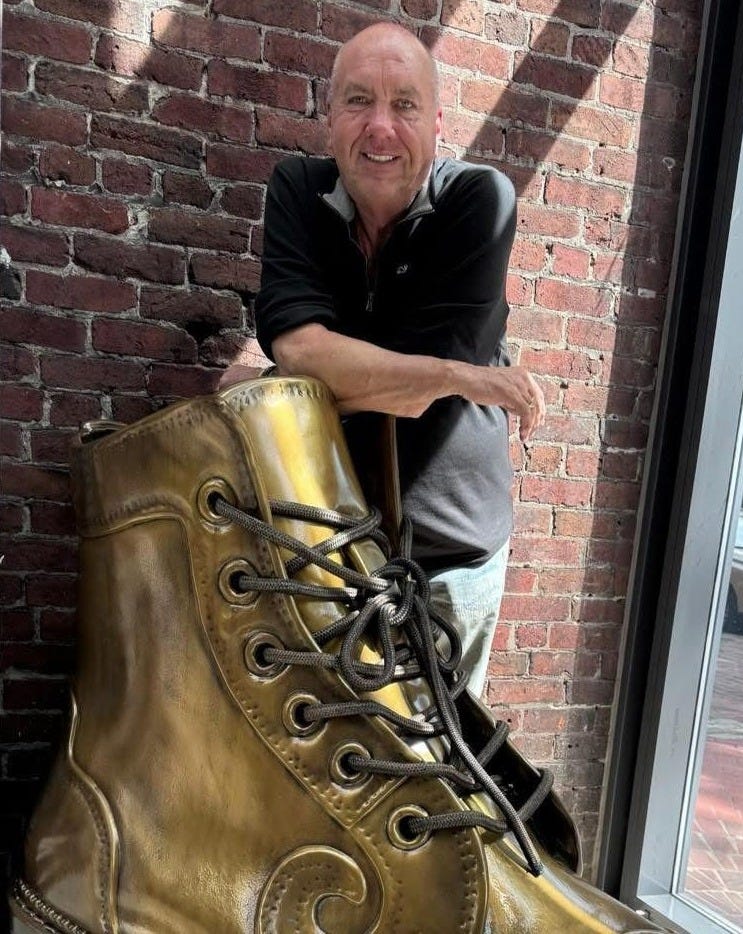
“I’ve learned that the earliest warning signs are subtle,” says Wayne Elsey, the founder at Funds2Orgs, an organization that helps individuals, families and groups trade in gently worn, used and new shoes.
“There’s almost an intuitive feeling when meeting someone,” he adds. “It can be a casual disregard for commitments, constant shifting of expectations or a pattern of blaming others.
“When someone shows you their word is flexible, depending on convenience, that’s usually an indicator of how they’ll behave once the stakes get higher.”
This taught him how to protect the mission.
“The older I get, the more I trust my gut, especially out of accumulated pattern recognition,” Elsey says. “It’s the same with relationships in general, whether it’s platonic, romantic or collaborative with other businesses.
“If the partnership doesn’t feel clean from the start, it will need a lot of work later on, and that effort is something you need to weigh to see if it’s worth it.”
It Likely isn’t One Thing
“There’s not one signal, it’s a pattern,” Mizrahi says. “You can tell by how they treat sensitive information, how they deal with deadlines and how they react when you ask for transparency.
“Also, by how they treat those people who ‘are not useful for them.’ Those micro-signals say much more than any commercial pitch.”
His philosophy has been built through those experiences.
“If I find myself or anyone from my team forcing clarity, transparent communication or trust, that’s not a partner, that’s a problem building up,” Mizrahi says.
When a business decides on moving forward in a professional relationship, it’s smart to clearly determine and implement reasonable risk management practices.
“For me, the key lies in keeping the relationship pragmatic, treating it like a given risk, not like an ally,” says Mizrahi.
“Document everything, not as a lack of trust but as a method.”
He explains what that looks like:
“Schedule as many checkpoints as needed, make that part of the dynamic from day one. Limit access to critical information and split responsibilities, so that any key piece depends solely on them,” Mizrahi says. “And something really important: keep constant human contact. Conversations clear our conflicts more than any lawyer.”
Going Deeper than Leadership Contact
“There’s also the internal part: prepare your team for this type of relationship,” he adds. “Make them aware of what to expect, what to tolerate and what not to tolerate, when to raise their hand.
“A business protects itself better when the entire organization has the same radar. The relationship can work only if the north star is clear for all those involved, from the beginning.”
Determine Cost-Benefit and Put Up Fences
“Sometimes the benefits are worth the risks,” Gustafson says, which still requires that “the goal shifts from partnership to containment.”
She elaborates:
“You stay courteous, professional and predictable, “Gustafson adds, “not to build closeness but to reduce openings they can exploit.
“You slow the pace, keep every agreement explicit and make sure nothing rests on assumptions or verbal promises. You keep documentation clean, decisions traceable and roles sharply defined, so there’s little room for reinterpretation later.”
What You Don’t Do
“You don’t engage in power games, you don’t match their tactics and you don’t try to ‘fix’ their behavior,” she advises. “You stay neutral and focused on outcomes. And you make sure you’re not the only person in the room who understands what’s happening. Isolation is where risky people do the most damage.”
Know the Landscape and What Strengths You Can Show
“Moving forward is possible,” Gustafson says, “but only if you stop expecting them to change and instead, manage the conditions so they can’t pull you into the mess they create.”
Create an Added Layer of Protection
“Think like a banker and get a collateral that you can access,” Chittenden advises.
“In other words, have something that you can take and don’t be afraid to do it; there must be a substantial price for harming you. Have something that you can use.
“As a referee instructs boxers before the bout starts, protect yourself at all times.”
His conclusion is simple.
“It is optimal to do business with someone who keeps your best interests in mind,” Chittenden says. “You don’t need much protection from people like that.”
Elsey focuses on boundaries.
“For me, that means documenting communication, ensuring responsibilities are clear and maintaining control over critical matters,” he says. “The only way to safeguard our team and the establishments we serve was to build transparency into every step.”
The Cold Reality
“You can never fully shield yourself from someone who’s determined to act in bad faith,” Elsey says, “but you can make sure your values and your team aren’t sacrificed in the process. … trust your intuition.
“It’s never a bad idea to have the option to walk away if any behavior crosses a line.”
Communication Intelligence began as online magazine (2021-2024) on another platform and during that time, also became a free-or-paid newsletter on Substack. The C.I. brand additionally offers individuals and organizations a variety of services, from written communications as well as communication consulting and coaching.
The newsletter is written by a former newspaper reporter, magazine writer, talk show host and communications consultant and advisor.
Subscribe, free or paid (for additional benefits)