

Lowering Emotional Walls and Softening a Room
How being willing to listen to other people's stories can move us forward
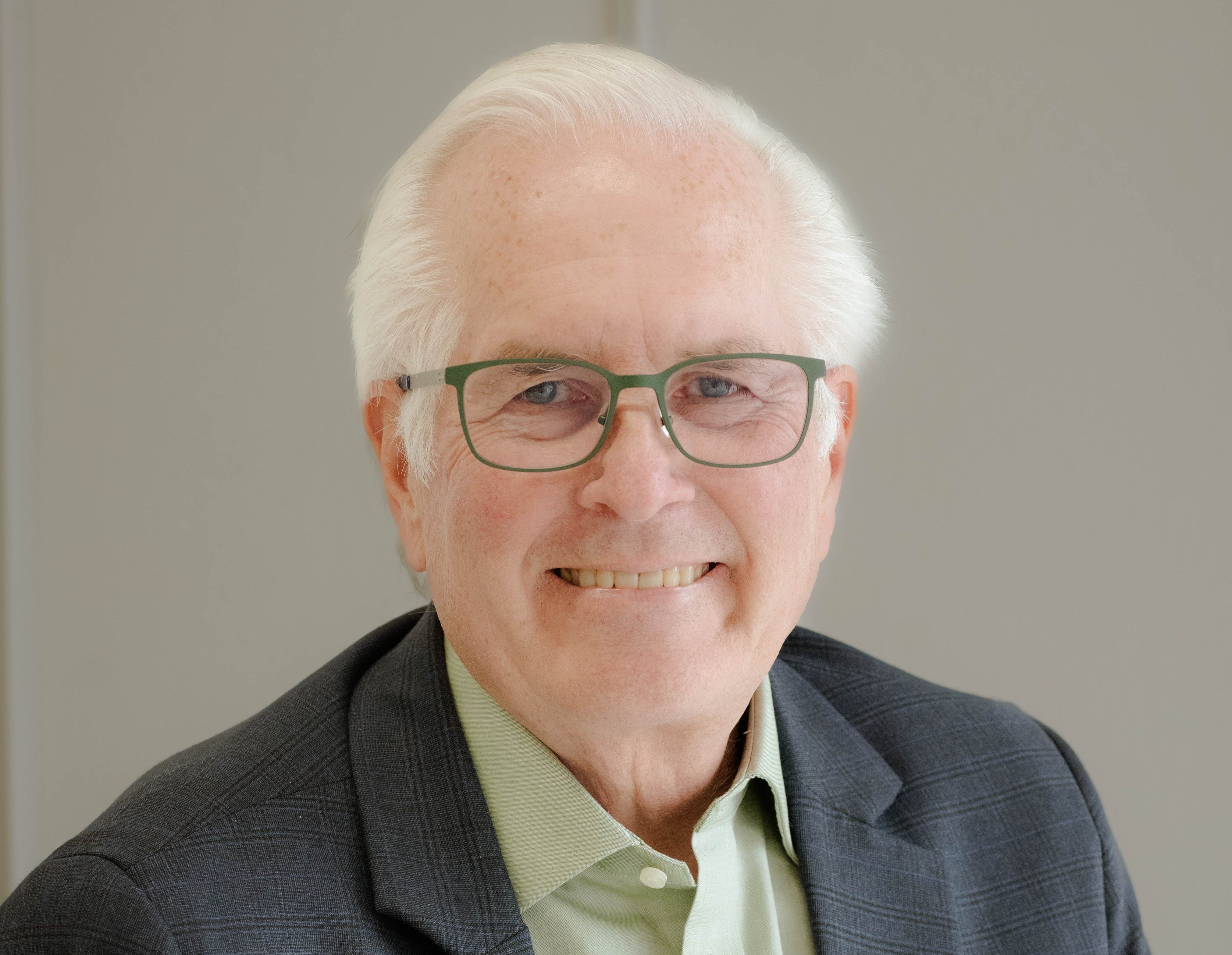
by Patrick Dunn
Oct. 11, 2025
We live in a world overflowing with information yet starving for meaning.
Facts can tell us what’s happening but only stories remind us why it matters. Stories are how we remember, how we connect and how we find the courage to change. They reach the places within us that logic alone can’t touch.
In my Lead with Soul work, I’ve come to see that stories are more than teaching tools. They’re mirrors. They reflect who we are beneath our titles and roles and they remind us that leadership begins in the heart, not the head.
When we listen deeply to one another’s stories, something shifts: walls lower, empathy rises and new possibilities emerge.

I explore why stories hold such transformative power, how they awaken empathy, bridge differences and rekindle the shared humanity that true leadership depends on.
Stories are how human beings make sense of the world. They’ve carried wisdom across generations long before we had data or reports. I often say: “The heart opens where data cannot.”
When we hear a story that really lands, we don’t just take in information. We step into someone else’s shoes. We imagine their experience, we feel their emotions and in that moment, empathy takes hold. That’s where attitudes begin to shift.
I’ve seen this first-hand. At the Muir Woods 80th Anniversary Peace Walk, people weren’t moved by statistics about war and peace. What touched them was the story of how those towering redwoods once gave diplomats a place of reflection after World War II.
That story allowed people to see themselves as part of a living tradition of peace.
And in the National Farm to School Network, it’s never just about nutrition charts or program metrics. It’s about a child discovering the taste of a vegetable they grew themselves or a farmer finding renewed pride in supplying local schools. Those moments carry dignity and joy and that’s what makes people believe in the mission.
Stories meet us in our shared humanity and remind us that beneath every opinion or belief is a lived experience waiting to be understood.
I’ve watched how the simple act of listening to someone’s story can soften a room faster than any argument ever could. Stories invite humility. They help us pause long enough to recognize ourselves in one another and that’s where connection begins.
Because arguments usually push people into corners. They become about winning, not listening. Stories, on the other hand, invite us in. They don’t demand agreement — they create space to reflect, to consider, to connect. That’s why they’re so powerful in building trust.
In Lead with Soul, I use the mantra: “Stories are bridges.” I’ve seen those bridges built in so many places. In Rotary peace dialogues, I’ve watched people with very different political views stop debating when someone shared the story of mentoring a refugee student. The room softened, and suddenly, everyone was leaning in with empathy.
In France’s farmer protests, it wasn’t the policy briefs that moved people; it was hearing a farmer talk about losing ancestral land. In the same way, Indigenous leaders I’ve worked with in North America bring the past and future alive when they share how traditional practices are keeping ecosystems healthy. Those stories carry a moral weight no chart or graph can hold.
And in my upcoming Porto leadership retreat, storytelling will be woven into every part of the experience. We won’t just teach leadership tools — we’ll ask participants to share stories of when they felt most aligned in their leadership, and when they felt most lost. It’s in those moments of shared vulnerability that real connection across cultures happens.

Stories don’t fight the intellect. They go deeper. They remind us of our shared humanity and from there, change becomes possible.
When we strip leadership down to its essence, what remains is our capacity to connect: to listen, to learn, and to lead from the inside out.
Stories remind us of that. They help us slow down enough to feel what truly matters and to see the people in front of us with new eyes.
Leading with soul isn’t about having all the answers. It’s about creating space for stories to be heard — including our own — and trusting that within them lies the wisdom we need to move forward, together.
Patrick Dunn is the founder at Paxaterra Global and the creator of the Lead with Soul framework. His work brings leaders and communities together to strengthen resilience, purpose and authentic connection through story, reflection and partnership.

This reminded me of lines from Judith Wright’s ‘South of My Days’:
… a story old Dan can spin into a blanket against the winter.
Seventy years of stories he clutches round his bones.
Seventy years are hived in him like old honey.