

Leaders Helping People Work Through Challenges in Small Steps
Mentoring willing, coachable people to succeed in smaller steps over time
A well-respected team leader critically observed a young, skilled colleague struggling with performance. Nothing was said until one day the junior person came to the leader and asked what he was doing wrong that was resulting in not being trusted by his boss, deficiency prevented him from receiving the opportunities that he craved.
What happened next and moving forward is a practical, useful lesson.
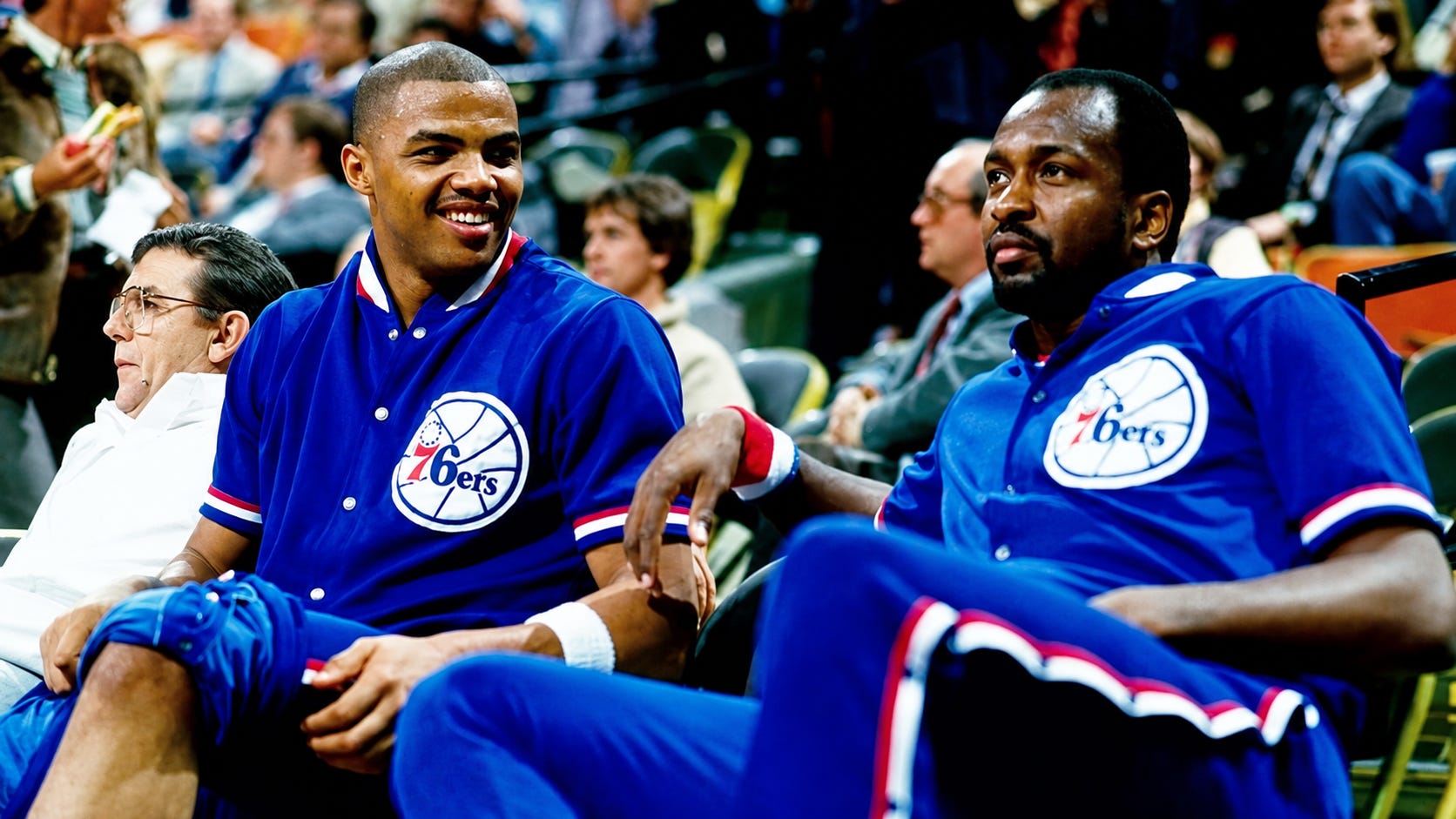
Charles Barkley was a highly-thought of basketball player in college who was professionally marketable. He went on to win two Olympic gold medals for Team USA and built a Hall of Fame career before his high-profile work as a basketball analyst.
It didn’t start off as a smooth road. Barkley had a big challenge to overcome first and if he didn’t accomplish it, his career, bank account and life would not have become what it has become. He’s talked about it over the years.

Barkley couldn’t understand why he wasn’t playing early in his pro career in Philadelphia and he went to a teammate, the legendary, now-late Moses Malone, a decorated professional who also ended up in the Hall of Fame.
He asked Malone what he needed to do to gain trust from his boss (the coach) and be given the opportunities he wanted (to play more).
“I’m really struggling. What can I do?’” Barkley remembered asking.
“I said, ‘Give me some advice.’”
Malone didn’t sugarcoat his answer. He pointedly told the nearly 300-pound Barkley that the reason for his problem was, “Well, little fella, you’re fat and you’re lazy.’” And for a professional basketball player, Malone was correct.
It may have hurt Barkley hearing it yet he didn’t get angry or depressed — at least he hasn’t mentioned it in the telling of his story.
Instead, he followed up Malone’s observation and criticism with a request for more help, which Malone agreed to do, in a wise way.
He didn’t just tell Barkley to correct the clear, significant problem that was preventing him from succeeding. Malone told him that he couldn’t succeed with his current professional weakness. He didn’t stop there though.
Malone told Barkley that he would work with him, if Barkley desired it, which he did.

Big personal development challenges don’t get solved overnight or often, just by telling someone what to do. The odds increase with collaboration and in increments.
Small steps, small wins.
Malone didn’t insist Barkley lose 50 pounds. “Get down to 290,” Malone told him.
So they worked out together to make that happen, Barkley said. Once he achieved that step, Malone told him, “Get to 285.” Barkley remained committed and together, they continued to work together to achieve that objective.
Barkley later got down to 280, 275 and eventually, 255.
He said in the interview that he felt weak at that weight, yet Malone didn’t chide him. Instead, he said about a slightly higher number, “That’s your weight.”
Barkley when on to be a dominating, entertaining, highly-paid, respected performer with the help of a leader who was willing to be more than direct.
That colleague and person was constantly willing to patiently mentor, in small steps of words and action, to help a colleague and fellow human being overcome what could have been an overwhelming challenge on their own, so that the skills and performance could shine and a career with great potential could develop.
