CEOs Helping CEOs: Difficulties and Solutions
What's standing in the way of CEOs giving other CEOs a look behind the curtain and what could create more mutual opportunities to learn

CEOs looking to learn from the best of each other is a smart idea. It isn’t always simple to pull off in practice though yet when it happens, the benefits could be substantial.
Diane Brady, author and editor of Fortune’s CEO Daily newsletter, recently wrote about it, telling the story of when “Walmart CEO Doug McMillon spent time mentoring Carla Vernón, CEO of The Honest Company,” which went so well for her that “Vernón wishes more CEOs would do likewise.”
A thank you to David Murray’s always excellent Executive Communication Report (free to subscribe) for highlighting that story for Communication Intelligence to notice.
“About a year ago, Vernón said, she had an opportunity to meet McMillon for about 30 seconds at an event,” Brady reported.
“Instead of talking about the business that her $383 million-a-year company does with the $704 billion-a-year Walmart, she took a different tack:
“I said, ‘I want to be an extraordinary CEO. You are, in my view, one of the best of our time. So, if I could borrow a bit more time from you, I would love to ask you a question or two,’” Vernón told Brady, recalling what she said to McMillon.
A bold ask, one that would prove to result in an outcome beyond what she imagined.
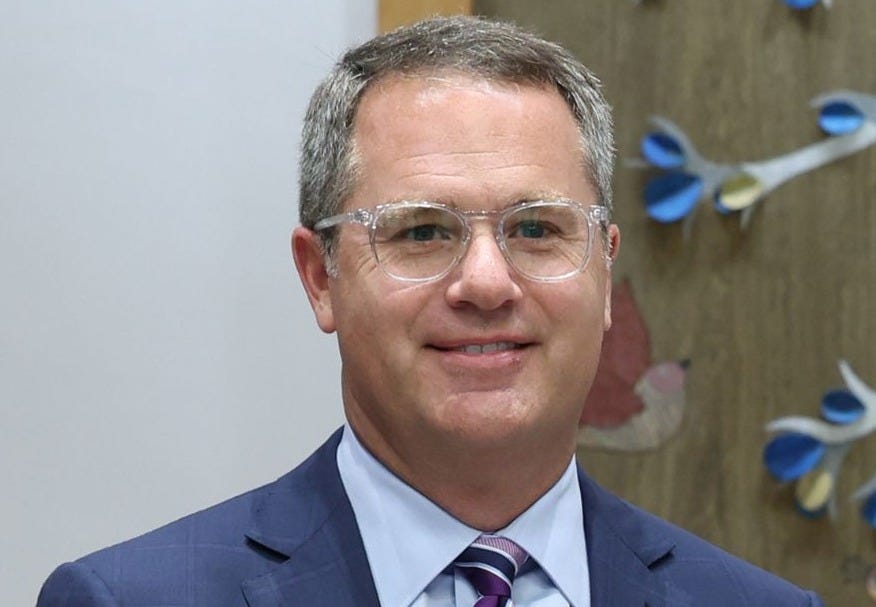
“McMillon shared his email with Vernón, who’d been CEO since 2023, and told her to get in touch,” Brady wrote.
“I thought it would be like a Zoom call, but he invited me to come to Bentonville with one of my leaders and set up an entire day of one-on-ones for us,” Vernón said.
“He connected us with everybody who we needed to know strategically, everybody on his executive team who he thought might be able to help me build a strong executive team in the C-Suite. There was no agenda and this was Q4, which is the season for retailers that’s super busy.”
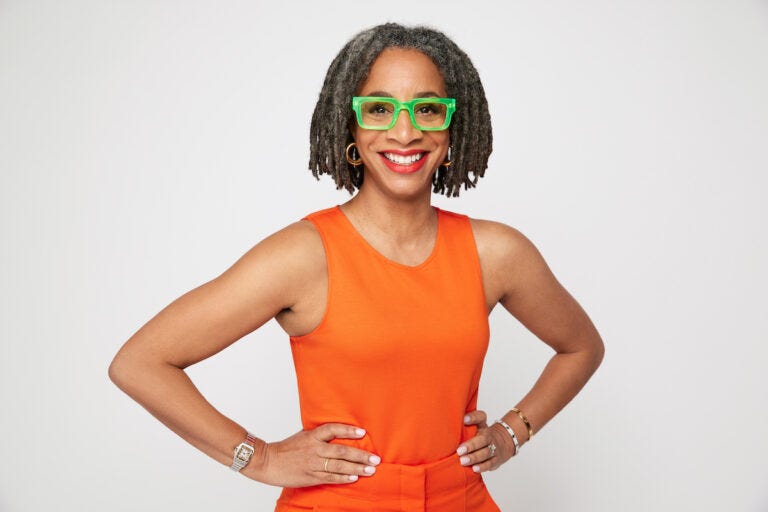
She recognized the value of what she had been given and the opportunity before her.
“If I can, for one day, watch what the very best at what they do do, then I’m going to forever realize what’s possible from myself as a leader,” Vernón said of her philosophy.
“I wish that, in our sector of CEOs, we took more time to help coach, grow and build each other, so that maybe we could be a stronger body doing right by businesses, employees, culture and society. We’re in such units of one and we don’t have to be.”

If this was of great value to one CEO, maybe it could be for others. A question is what specifically could be preventing top-level leaders from creating a training ground for sharing their knowledge and decision-making processes for widespread benefit, even in a highly-competitive, self-protective landscape.
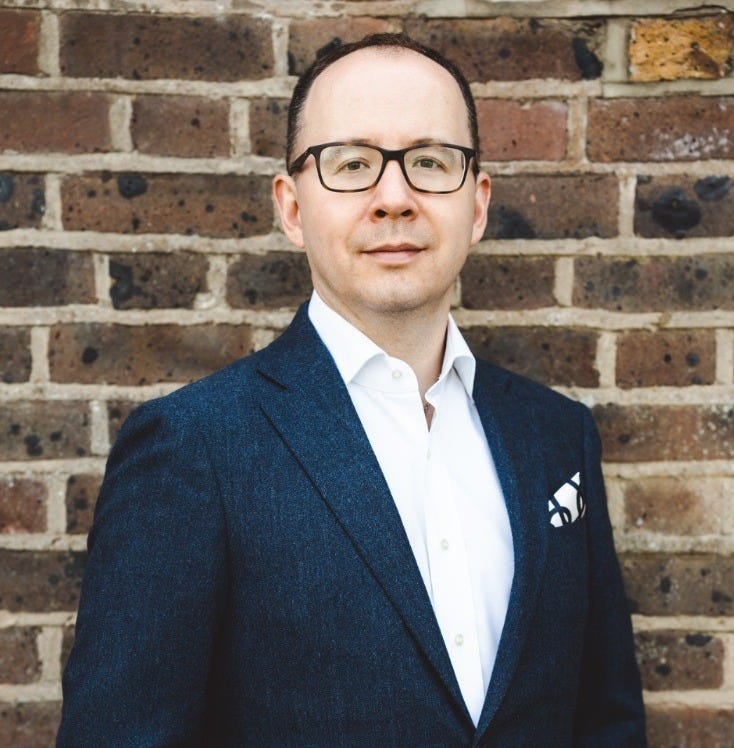
“It’s usually driven by the structure of the CEO role itself and the realities that come with it,” says Sergey Shanaev, the founder at Hiiro, a London-based startup focused on revolutionizing marathon training.
“Most CEOs live in a permanent problem-solving mode. They are simultaneously responsible for strategy, culture, performance and often, for crisis management.
“A significant part of their emotional and cognitive energy is already invested in supporting and developing leaders inside their own organizations.”
That naturally makes a CEO less accessible, he adds.
“Over time, this pulls the role inward, by design,” Shanaev says. “Even when a CEO genuinely wants to support peers, there is often very little inner space left to do it consistently and meaningfully.
“The job keeps your focus on your own company, your people and the decisions that can’t be delegated.”
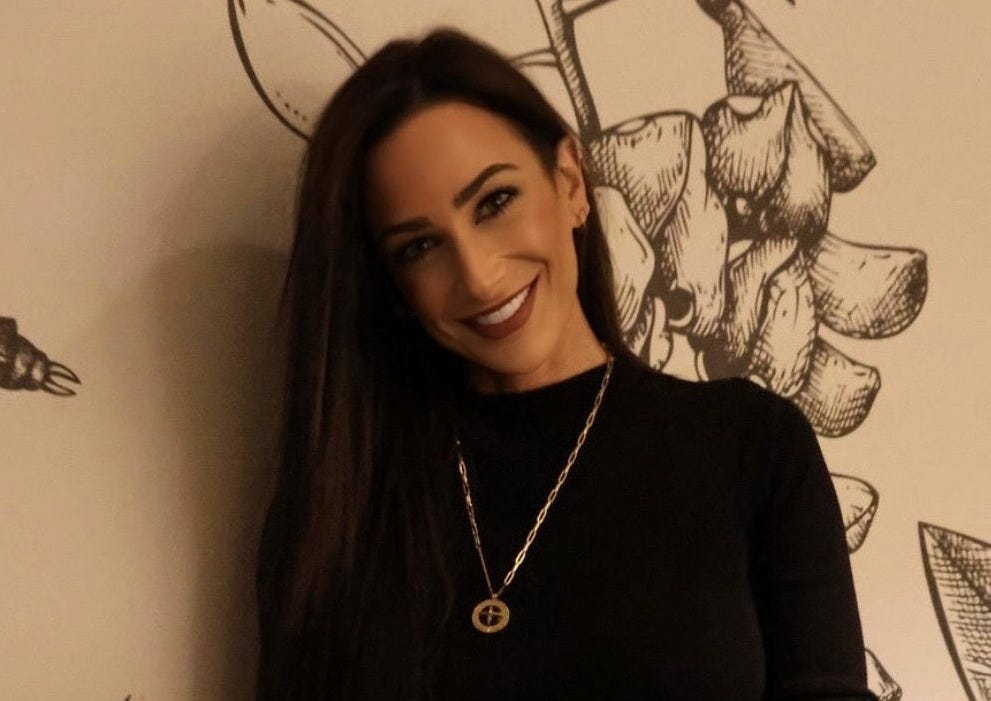
“Being a CEO requires you to be accountable to the board of directors and investors, prioritizing reporting results, leaving little time for coaching,” says Lindsay Kirsh, the founder and chief strategist at Slayer Public Relations, an agency that specializes its work in the food, beverage, hospitality, wine & spirits, craft beverages and lifestyle industries.
“When everything feels mission-critical, anything that doesn’t have an immediate return can get pushed to the margins.”
There is also the reality of the humanness and bandwidth of chief executives.
“Then, there’s an emotional component,” Kirsh says. “CEOs carry a lot quietly and they’re expected to be decisive, steady and confident at all times. That expectation can make coaching feel risky. Opening up requires vulnerability and leaders who possess an ego are likely less eager to engage.”
Yet, she points out, helping other CEOs isn’t always as heavy task as it seems.
“Leaders are sometimes under the impression that mentorship requires a big commitment,” Kirsh says, “seeing it as a formal, ongoing obligation rather than what it often is: a handful of honest conversations, shared perspective and a willingness to tell the truth when it matters.
“When mentorship is framed as ‘one more thing,’ it’s easy to say ‘no.’”
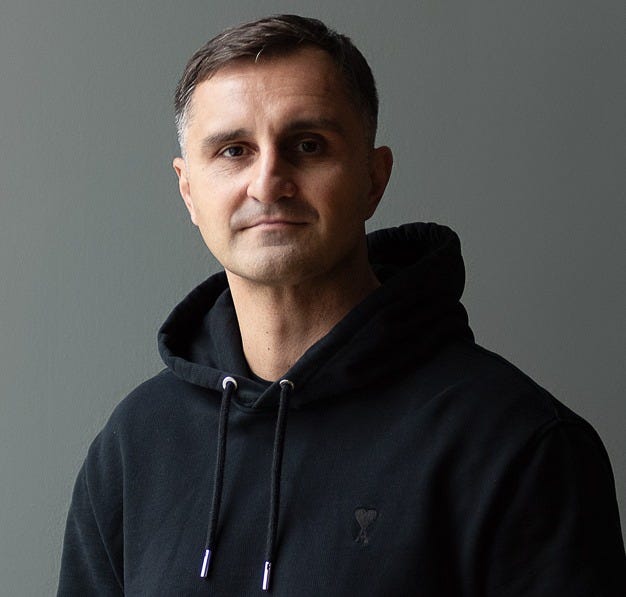
“I think it’s fair to say that it’s a mix of all these factors, but there’s also a deeper psychological layer to this problem,” says Roman Eloshvili, Founder at XData Group, a B2B software development company.
“CEOs are busy, yes, there’s no denying that, but at the same time, ‘business’ often becomes a convenient, surface-level explanation and excuse.”
Eloshvili follows that bold statement with his reasoning, looking at it from a different perspective when it comes to the CEOs reaching out for learning as much as those being asked to share their processes and decision making.
“The deeper issue is that the position of CEO inherently pushes people to adhere to a certain standard: you’re expected to have answers, not questions. Because how can you lead when you don’t know what you’re doing, right?” he rhetorically asks.
“Admittedly, it doesn’t work anything like that in practice but internal perception matters a lot in this case. Asking for help from others can feel like an admission of weakness and uncertainty.
“From an emotional standpoint, that can be very hard to do. Especially when you’re a CEO responsible for decisions that affect dozens of team members and however many thousands or millions of clients you have.”
Eloshvili sees something more happening.
“I think what’s really missing is not the willingness to help: I’m sure many CEOs out there would be perfectly happy to lend a hand and offer advice if asked,” he says.
“The problem is that there aren’t enough industry venues where such things can be asked without the perception of ‘weakness’ once again coming through.”
He offers a proposed solution to that difficulty.
“What we need for that to become more common is a deeper cultural change, for peer support at the leadership level to become normalized and treated as part of the natural growth process for top-management.
“Leaders shouldn’t need to feel like they’ve already ‘succeeded’ to be able to talk about their journey or the uncertainties they’ve experienced along the way,” Eloshvili says.

Delving deeper into what could make it work well for the better and best CEOs to be able to impart their experiences and wisdom, the sources thought deeper.
“At a certain stage, motivation shifts,” Shanaev contends. “For many experienced CEOs, success stops being just about growth, scale or titles and becomes more about relevance and meaning.
“Supporting other CEOs offers a way to make sense of everything they have learned. Mentoring reinforces a sense of mastery: it reminds leaders that what they have built and learned still matters.”
Kirsh adds to that specific leadership thinking and philosophy.
“It’s about sharing perspective so others don’t have to learn everything the hard way and tips on how to navigate challenges that feel insurmountable,” she says.
“That kind of support doesn’t just shape better CEOs. It shapes better companies, cultures and outcomes.”

They recognize the opportunity to help others succeed.
“Senior executives are often motivated to assist others by the understanding that their impact endures beyond their direct actions,” explains Trond Nyland, the founder and CEO at Tudos.no AS, a Norwegian retailer of luxury writing instruments and creative tools.
“Eventually, the focus shifts from demonstrating skill to embracing a role of responsibility. Leaders who attain this level recognize that offering guidance, rather than merely providing strategies, constitutes a significant form of influence.”
The output isn’t one sided.
“When seasoned CEOs perceive mentoring not as an act of benevolence but as a means of refining their own thought processes, subjecting their convictions to scrutiny through conversation, they naturally become more involved,” Nyland suggests.
“The interaction transforms into a source of energy rather than a drain,” he asserts. “The most robust peer relationships are cultivated when both parties depart with a more refined understanding, rather than simply receiving unidirectional counsel.”

“Playing the part of mentor and coaching others shouldn’t be seen as just ‘social work’ or ‘charity,’” Eloshvili says.
“It would help if more CEOs thought of it as a source of structural growth. By helping other leaders, they contribute to the creation of stronger companies. Stronger companies, in turn, improve the entire industry they all operate in.
“And when we look at the bigger picture, healthier markets are something that everyone stands to benefit from.”
Deeper discussions are another point he strongly urges.
“More real conversations would also help. It’s one thing to discuss industry-wide trends or issues in panels during some large event but down-to-earth communication also needs to happen,” Eloshvili argues.
“If experienced CEOs get to hear younger leaders talk about the same challenges they themselves once faced, it creates proximity and closeness,” he adds.
“The desire to help is born as a natural consequence of that closeness. That’s why we need more spaces where such honest interactions can happen.”
Another reframing would prove to be mutually beneficial, Eloshvili concludes.
“I think it’s good to think of coaching as something that can be helpful, not just to others, but to those senior CEOs as well,” he says.
“When you find yourself in a position of teaching, it forces you to look at your own thinking from an outside perspective,” Eloshvili says.
“The process pushes you out of operational routine and day-to-day noise and gives you an opportunity to check where you stand in terms of your own business principles, as well as what could potentially be improved further in your own company. It’s not an entirely one-sided exchange.”
There is immense value on the table for those who want some of it.
“What we truly need is to spread the culture where CEOs view mentoring as part of good leadership hygiene, not just an extra obligation,” Eloshvili stresses. “Armed with that way of thinking, we can effect better change for all industry participants.”
Subscribe for free (or paid, for additional benefits)
Communication Intelligence began as online magazine (2021-2024) on another platform and during that time, also became a free-or-paid newsletter on Substack. The C.I. brand additionally offers individuals and organizations a variety of services, from written communications as well as communication consulting and coaching.
The newsletter is written by a former newspaper reporter, magazine writer, talk show host and communications consultant and advisor.