Capturing Attention Quicker and Sustaining It Longer in Your Presentations
Whether speaking widely to your organization or at an event, it’s time wasted if you are not connecting and people aren’t leaving with a clear understanding of the importance of what was communicated and the meaning behind it. If it’s not resonating as intended, it’s not effective.
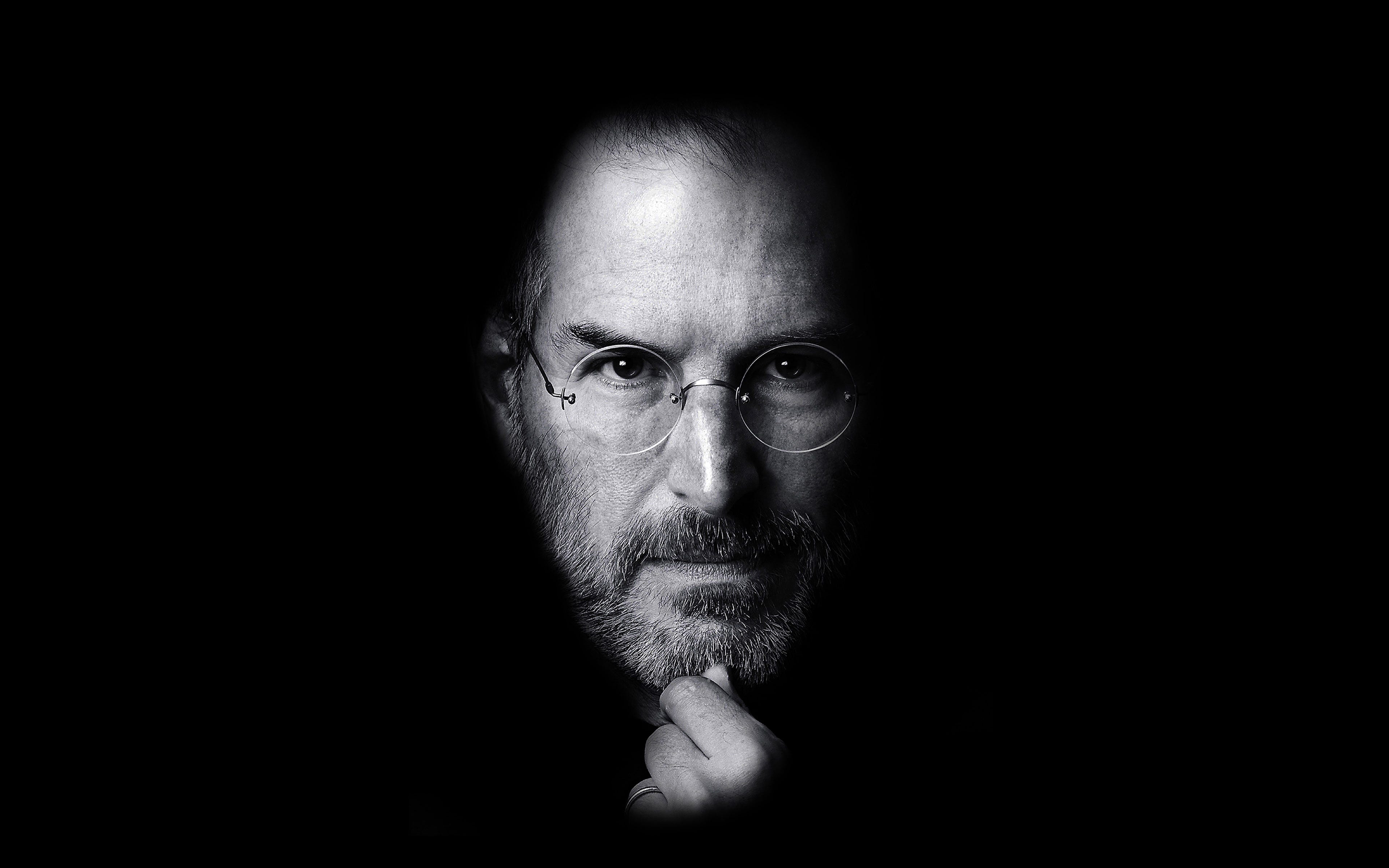
“Great communicators hook their audiences quickly by giving them a reason to care,” wrote Carmine Gallo, the president at Gallo Communications Group and a communication coach and speaker. “Steve Jobs was years ahead of his time when it came to engaging presentation and communication skills.”
He details how Jobs was skilled and accomplished.
Per Gallo, the world-renowned entrepreneur and tech leader “used a timeless communication tactic you can easily adopt to engage any audience right away.
“It involves answering the one question on everyone’s mind: ‘Why should I care?’”

Gallo wrote about the importance of thinking less about ourselves as speakers and more about the people to whom we’re communicating and not taking a meandering route to the value offered.
“In audience-centric communication, it’s critical to make the benefit clear in the first 30 seconds of a presentation,” he stressed. “If your listeners have to work too hard to decipher what you say and how it applies to them, you’ve lost their attention.
“It’s important to make your topic worth their mental energy.”
Learning to clearly identify and express this value concisely, memorably and successfully becomes a top priority and strategy for success.

Kate Tillotson was a 15-year media professional as a television news anchor and reporter, where she learned about “how fast you can win or lose attention” in her work.
“The first 30 seconds is where attention is won or wasted,” she asserts.
Now the principal at The Beacon Group, where she assists CEOs and senior leaders strengthen their communication skills, Tillotson talks about the relationship a professional has with the people in front of them.
“It functions like a contract between speaker and audience,” she teaches. “Skip the warm-up and start with impact by answering the question every audience is silently asking: ‘Why should I care?’ That means putting the benefit front and center in plain language.”
Her media experience taught a a valuable lesson that became ingrained in her.
As a TV journalist Tillotson learned, observed and operated on the industry foundation guidance of “don’t bury the lede” because “your audience gives you a very small window to prove you’re worth listening to, and if you delay, you lose them.”

“If your audience has to work too hard to determine how your message applies to them, you have lost them,” says Peter Lewis, a keynote speaker.
“To share the benefit in the simplest, most effective way, start with the best statement first that is the most relatable for your audience’s needs or pain points.”
His wide-ranging experience has taught him what not to do.
“As an educator, CNN correspondent, podcast host and keynote speaker, I learned that you can avoid bombarding your audience with too much content,” Lewis says. “It’s best to have one or two primary themes that everything else in your talk ties back to.”

“Whether it’s a website, a speaking engagement or a news interview, we coach our clients to think ‘above the fold,’” says Tyler Reed, founder and CEO at Bizwrite Digital PR, an agency specializing in authority marketing for professional services firms.
“Like an old-fashioned, at least nowadays, newspaper, the most read part is those headlines which appear above the fold. This is also called using a B-L-U-F strategy: Bottom Line Up Front.
“The average attention span is only about 47 seconds, so if you haven’t convinced the audience in under a minute that they need to perk up and listen, you’ve already lost them.”
Play to the Gatekeeper First
Gallo wrote about how he could spend talking the beginning of his presentations “to talk about my books, credentials or experience, but none of those things would have given the audience a reason to care.
“Those details support my ideas and lend credibility to my argument, but they won’t make it through the System 1 gatekeeper. Play to the gatekeeper first.”
Focusing on what resonates is of superior interest to people and value to gain and sustain attention and trust.
Staying on topic and not speaking to our accomplishments has to remain top of mind.
“The instinct to prove ourselves is human but it often works against us,” Tillotson says. Audiences are “wondering, ‘Do you understand me? Can you help me?’”
She tells a story about an executive engagement.
“I recently coached a CEO who addressed employees after a serious workplace accident,” Tillotson says.
“He began with, ‘I know many of you are shaken and uncertain about what comes next. I want to explain the new safety measures we’re putting in place and how they will protect every person here.’
“In that moment, the room settled. By acknowledging their concerns and offering a clear path forward, he built trust,” she explains. “His credibility was established by putting their needs before his own reputation.”

“You have to start with the assumption that the audience already values your credentials or they wouldn’t be listening to you in the first place,” says Robin Dimond, a public relations professional and founder and CEO at Fifth & Cor.
“Your credibility comes from the substance of what you say and how confidently you express it.”

“Your audience needs a quick way to relate to you and say ‘They get me!’” says Monica Brooks, a keynote speaker and leadership and team trainer.
“Once they feel seen, they are easier to hook. If you’ve found a way to connect with them, they will be curious enough to find out more about you on their own.”