AI-Related Mass Layoffs: Questioning a CEO's Communication About Them
What did Block's Jack Dorsey miss in this thinking and belief system that other leaders can learn from to benefit their organizations? A communications executive in the technology space explains.
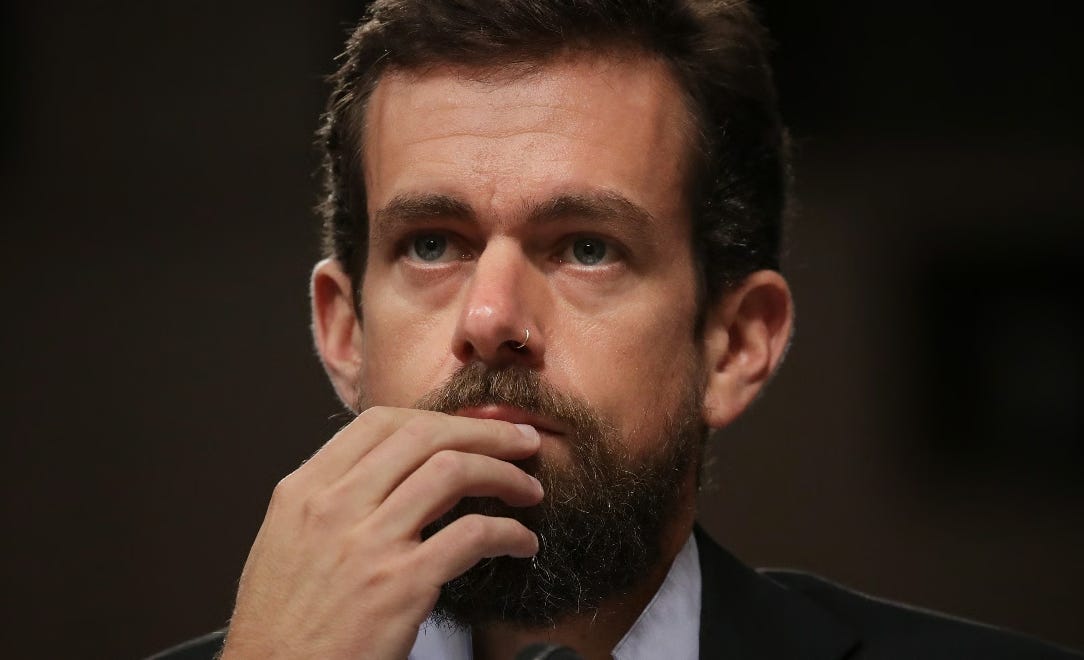
How CEOs see the negative impact of mass layoffs on employees plays a large role in how they communicate to and with them. The emotions, psychology, feelings and judgment in response are a product of worker interpretations about the level of concern, care and respect being shown them.
Block co-founder and CEO Jack Dorsey laid off 40% of his workforce, specifically 4,000 out of 10,000 employees and explained the decision to do it.
“Intelligence tools have changed what it means to build and run a company,” he said, adding, maybe coldly, “A significantly smaller team using the tools we’re building can do more and do it better.”
Dorsey went on to explain the move is necessary for agency in how it wants to achieve financial objectives, “... a smaller company also gives us the space to grow our business the right way, on our own terms, instead of constantly reacting to market pressures,” he communicated.
This “just business,” responsibility and belief is common yet with it could come social and mental health costs and risks to society accompanying the significant disruption.
It’s worth considering as well, that society will adapt to some varying degree, as it always has done and thrive in the new reality, out of necessity.

“I would argue that both things are true,” contends Barbara Roos, the founder at Trailhead Communications and previously, a communications-and-change leader for 25-plus years at Intel and other technology companies.
“Society will adapt, new jobs will emerge and the near-term disruption has real costs,” she adds. “The key question is how leaders manage the transition: whether they bring their people along versus treating talent as disposable.”
That challenge and task is important to Roos.
“I launched the firm to focus on helping leaders navigate one of the biggest workplace shifts of our time,” she tells Communication Intelligence.
Roos sees a leadership responsibility that has been discussed publicly yet not widely and not in a way that has noticeably shown itself as yet becoming common practice.
“I think there’s a case to be made that workforce development is a social imperative,” she argues. “Organizations are one of the few institutions that systematically develop adults, so investing in the growth of employees isn’t just a business strategy, it’s a meaningful contribution to society.”
Roos strongly believes that this is a helpful response to the harmful impacts, known and yet considered, on workers and society.
“If companies treat workforce development as a civic contribution, they can reduce social harm (such as) stress, identity loss and community destabilization, while still modernizing,” she proposes.
“I also believe companies that reinvest some of their AI productivity gains into developing their workforce will ultimately gain a competitive advantage.”

Roos looks ahead and sees what is not yet commonly reported and discussed.
“AI tools are rapidly becoming accessible to everyone, which means the technology itself will not remain a durable differentiator,” she asserts. “What will differentiate organizations is the quality of the humans using those tools: their judgment, experience, relationships, and understanding of complex contexts.”
Which leads Roos to concisely advise leaders of one important point.
“Companies that preserve and develop that human capability may find it becomes one of their most valuable assets,” she says.

It’s important to question how well, if at all, founders and CEOs are communicating what they say is the strategic, financial call to lay off people in larger numbers.
“Unfortunately, few leaders are responsibly and effectively communicating AI-related layoffs,” Roos analyzes. In addition, she sees something very problematic about what is being said that isn’t entirely accurate.
“Leaders need to stop blaming AI as if it’s an uncontrollable force and own the decisions they’re making,” she advises.
Roos elaborates:
“To my (previous) point, ideally, they would reinvest the gains from AI into the growth and development of their employees and retain the talent versus eliminating it,” she reiterates, “but if that’s not possible, they should explain the business logic plainly and provide time, support and pathways for employees to move forward: internal mobility, training stipends and placement assistance.”

Leadership executives may not be clearly seeing the dangerous costs, at least some of them, involved in a rough handling of the mass deletion of employees.
“It’s worth noting that mishandled layoffs create long-term performance drag,” Roos says. “If leaders don’t treat impacted employees with dignity and respect, they will erode trust with their remaining employees who are watching how it’s being done.”
It’s a natural human response to workplace observation and experience.
“Employees don’t just hear the message,” Roos warns. “They watch the (leadership decision-making and communications) behavior, which means that how leaders navigate these moments becomes the company’s new culture moving forward.”
Subscribe for free (or paid, for additional benefits)
Communication Intelligence, a magazine on another platform from 2021-24 and a newsletter on Substack, from 2023-present, is a publication of interviews turned into current event analysis, examinations of important quotes from leaders, features, reports — and a collection of contributed Insights & Advisory.
There is additionally a LinkedIn company page for the newsletter.